
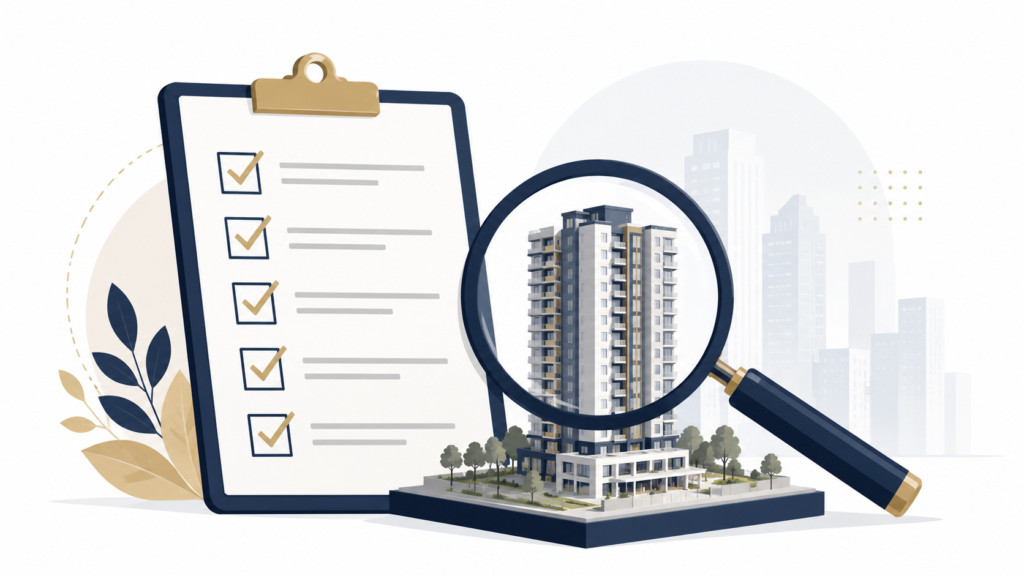
A Step-by-Step Framework to Choose the Best Real Estate Project in Gurugram-Manesar
Most homebuyers compare projects the way they compare restaurants, by vibe, referrals, and a gut feeling after a site visit. That works for dinner. It does not work for a multi-crore, decade-long financial commitment. Below is a repeatable, six-step framework AcreBase’s advisory desk uses to evaluate any project, whether the buyer is looking for a self-use home or an investment asset.
Step 1: Define Your Non-Negotiables Before You See a Single Project
Direct answer: Write down your hard constraints, budget ceiling (including hidden costs), maximum acceptable possession timeline, commute radius from work/school, and purpose (self-use vs. investment), before visiting any project. Deciding these after you’ve fallen in love with a sample flat almost always leads to overspending or settling for the wrong location.
A simple way to do this: separate “must-haves” (RERA compliance, budget, possession timeline) from “nice-to-haves” (clubhouse, specific amenities, floor preference). Projects should be eliminated for failing a must-have, never for lacking a nice-to-have.
Step 2: Shortlist by RERA Compliance and Developer Track Record First, Not Amenities
Direct answer: Before comparing swimming pools or facades, filter every project by two hard facts: is it fully RERA registered with a verifiable completion date, and has this developer delivered its last two or three projects on time and to spec?
Practical checks:
- Search the RERA registration number on the official Haryana RERA portal (not the number printed in the brochure).
- Look up the developer’s litigation and complaint history on the RERA portal, a track record across multiple projects tells you more than any single glossy case study.
- Ask for the names and locations of the developer’s last two completed projects and, if possible, speak to residents there directly.
Step 3: Run the Location and Infrastructure Audit
Direct answer: A location’s future value depends on funded, committed infrastructure, not marketing language like “upcoming” or “emerging.” Verify claims against government project trackers before treating a location as an investment thesis.
What to verify specifically for Gurugram-Manesar:
- Status and expected completion of nearby expressway/road projects (e.g., Dwarka Expressway, KMP Expressway, SPR)
- Metro or Rapid Metro extension plans and their approved timelines
- Presence of established employers, industrial zones, or approved commercial development nearby (Manesar’s IMT industrial belt, for instance, is a genuine, decades-old employment anchor, not a speculative promise)
- Physical distance and real (not brochure-estimated) drive time to your workplace, at actual peak-hour traffic
Step 4: Get the True All-In Cost and Financing Pre-Approval
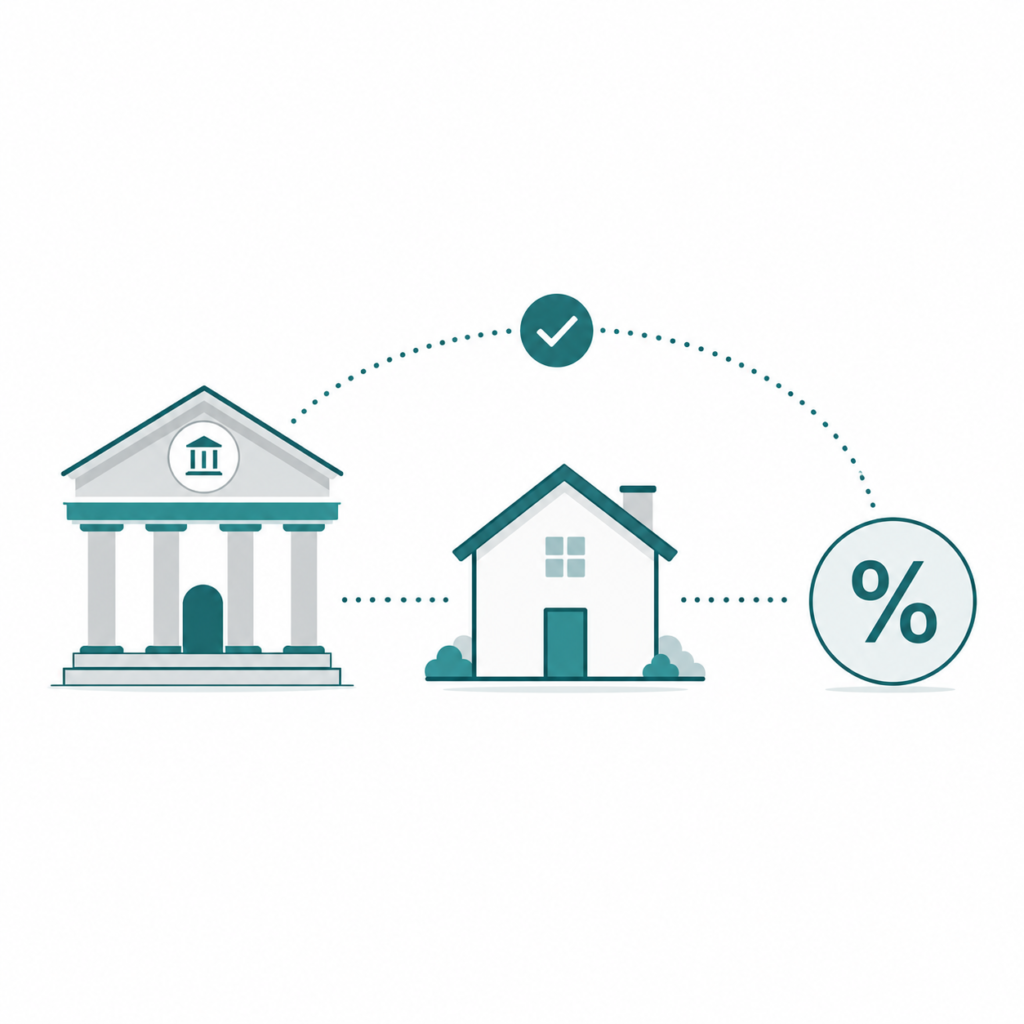
Direct answer: Request a single, itemized cost sheet covering base price, GST, stamp duty, registration, PLC, EDC/IDC, club membership, and parking, then get in-principle loan approval based on that full number, not the headline “starting price.”
This step alone prevents two of the most common late-stage surprises: discovering the real cost is 15–20% higher than expected, and discovering your loan eligibility doesn’t cover it.
Step 5: Do the Physical Site and Legal Verification
Direct answer: Visit the actual construction site (not just the sample flat/experience center), and have a lawyer review the title, encumbrance certificate, and sanctioned layout before you sign anything or pay beyond a token amount.
At the site visit, specifically check:
- Construction stage versus what the sales team claims (ask for the RERA quarterly progress update, which developers are required to file)
- Whether the sanctioned layout matches what’s being sold, any unauthorized change requires your written consent under RERA Section 14(2)
- Actual approach roads, water/power infrastructure, and neighboring land use, not just the view from the sample flat

Step 6: Negotiate With Data, and Put Every Commitment in Writing
Direct answer: Use your itemized cost comparison across shortlisted projects as negotiating leverage, and insist that every verbal promise, possession date, specification, discount, payment plan is written into the Agreement for Sale, since only documented terms are enforceable later.
Buyers often win meaningful concessions on payment schedule flexibility, floor-rise charges, or parking allocation simply by asking, but only documented terms protect you if a dispute arises later.

Frequently Asked Questions
Q1: What is the single most important factor when choosing a real estate project in Gurugram or Manesar?
A: RERA compliance combined with the developer’s track record of on-time delivery across previous projects matters more than any individual amenity, because it directly determines whether you actually receive what you’re buying, on time.
Q2: Should I trust the sample flat/experience center during a site visit?
A: Treat the sample flat as marketing, not evidence. Always additionally visit the actual construction site and check the developer’s RERA-filed quarterly progress report to see real construction status.
Q3: How much extra should I budget above the quoted base price?
A: Total costs including GST, stamp duty, registration, PLC, EDC/IDC, club charges, and parking commonly add 15–20% above the base “starting price” quoted in marketing material, so always request a full itemized cost sheet before comparing projects.
Q4: Is it worth negotiating with builders, or are prices fixed?
A: Prices and terms are frequently negotiable, particularly on payment schedule, floor-rise charges, and parking allocation — but any concession only matters if it is written into the Agreement for Sale rather than agreed verbally.
Q5: How do I verify a location’s growth potential instead of relying on the builder’s claims?
A: Check government infrastructure trackers for the funded, approved status of nearby expressways, metro extensions, and commercial/industrial zones, rather than accepting “upcoming” or “emerging” as marketing claims at face value.